Taste the Tradition: Classic Jamaican Food Explained
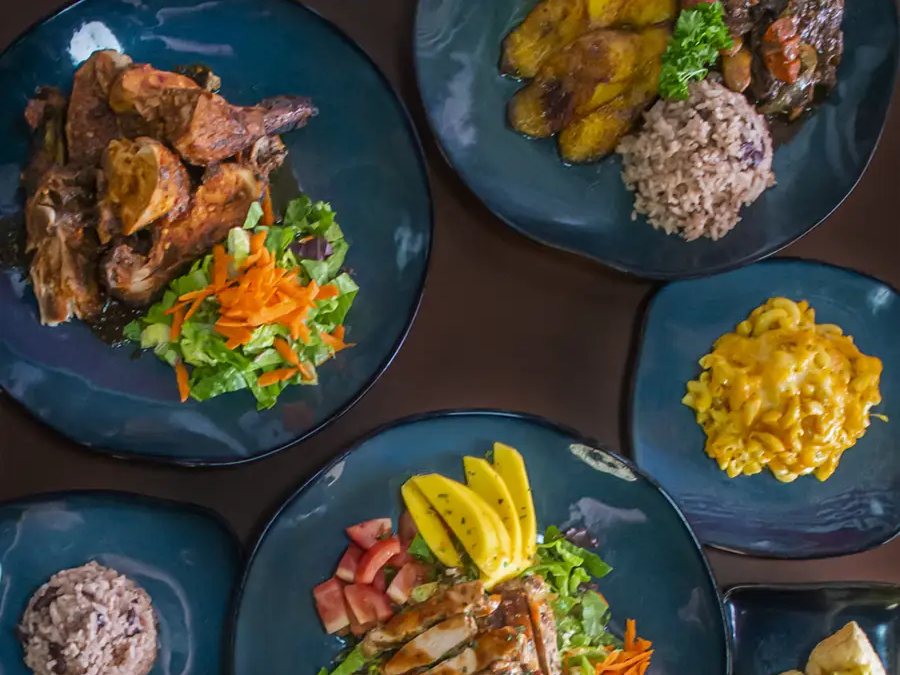

Jamaican food has a way of announcing itself before it reaches the table. You smell pimento smoke from a roadside jerk pan, catch the sweetness of coconut milk rising from a pot, or notice the deep, savory perfume of a slow-cooked stew carrying across a yard. The cuisine is bold, but it is not careless. Every strong flavor has structure behind it, every bright sauce answers a rich starch, and every fiery bite usually comes with something cooling, soft, or sweet to balance it.
That balance is what makes classic Jamaican food so compelling. People often encounter it through a few famous dishes, usually jerk chicken or patties, and leave thinking the cuisine is all heat and spice. It is much broader than that. Jamaican cooking is shaped by African, Indigenous Taíno, European, Indian, and Chinese influences, then sharpened by local ingredients and a deep respect for seasoning. The result is a food tradition that feels both layered and direct. You taste thyme, scallion, ginger, allspice, Scotch bonnet, coconut, saltfish, green banana, yam, and callaloo not as separate notes, but as parts of a whole system.
To understand Jamaican food, it helps to stop thinking in terms of single dishes and start thinking in combinations. Proteins are paired with starches that can stand up to gravy. Vegetables are cooked with enough confidence to hold their own. Breakfast can be hearty enough for manual labor. Street food is not an afterthought. It is part of the culinary identity. Even a simple plate often carries history, climate, economics, and ritual.
More than spice, the grammar of flavor
If there is a common misunderstanding about Jamaican food, it is the idea that everything is simply hot. Heat matters, but it is only one tool. A well-made Jamaican dish usually aims for depth first. Browning, marinating, smoking, and simmering are central techniques. Aromatics are used assertively, especially scallion, onion, garlic, thyme, and pimento, which many outside Jamaica know as allspice. Scotch bonnet peppers bring heat, but they also add fruitiness and a distinct aroma that cannot be replaced by generic chili without changing the dish.
Seasoning is not treated casually. In many Jamaican kitchens, meat is rubbed and left to absorb flavor well before it meets the fire or the pot. Curry powder is often "burned" in oil at the start of cooking to wake up its flavor. Coconut milk is used not just for richness, but for sweetness and body. Browning sauce, whether homemade from caramelized sugar or bottled, gives stews and brown meat dishes their dark color and slight bitterness, which helps counter richer elements.
This is one reason Jamaican food feels so satisfying when it is done well. The flavors are vivid, but they are also disciplined. A good cook knows when to let pimento lead and when thyme should be more pronounced. They know the difference between a curry that tastes flat and one that has bloomed properly in fat. They also know that texture matters just as much as seasoning. Rice should not turn mushy. Fried plantain should caramelize, not steam. Dumplings should be tender, not dense enough to sink a spoon.
Ackee and saltfish, the national dish with a story in every bite
Ackee and saltfish is the dish most often named as Jamaica’s national dish, and for good reason. It captures the history of the island in a single skillet. Ackee, a fruit originally from West Africa, becomes soft and buttery when cooked. Saltfish, usually salted cod, reflects colonial trade routes and preservation methods. Together they form something that tastes surprisingly elegant, almost like soft scrambled eggs folded with flaky fish, but that comparison only goes so far. Ackee has its own texture, delicate and custardy, and its own mild nuttiness.
The best versions are not overworked. Ackee breaks easily, so it is folded in gently with sautéed onion, tomato, scallion, thyme, and Scotch bonnet. The saltfish must be soaked and simmered enough to remove excess salt, but not so much that it loses character. When the balance is right, the dish is savory, mellow, and fragrant. It is commonly served with fried dumplings, boiled green bananas, roasted breadfruit, or hard dough bread.
Ackee and saltfish also reveals something important about Jamaican cooking: breakfast can be serious. This is not a quick bowl of cereal. It is food built to sustain. It also shows how Jamaica excels at https://www.google.com/maps?cid=11425353456438405488 taking ingredients that might seem unlikely together and turning them into something deeply coherent.
Jerk, the technique that became a global symbol
No discussion of Jamaican food can avoid jerk, but it deserves to be understood properly. Jerk is not just a flavor sold in a bottle. It is a seasoning method and cooking tradition with roots often traced to the Maroons, who developed techniques for preserving and cooking meat in the interior. Traditional jerk relies on a highly seasoned marinade or paste, heavy with pimento and Scotch bonnet, then cooks the meat slowly over wood, often pimento wood, for smoke and complexity.
Chicken is the most widely known version internationally, though pork is equally important in Jamaica and many cooks would argue more traditional in flavor and texture. Good jerk is not simply coated and grilled fast. It needs time for the seasoning to penetrate and time over the fire for the exterior to darken without drying the inside. The finished meat should show layers: heat, smoke, spice, salt, sweetness, and a little bitterness from char.
What separates unforgettable jerk from mediocre jerk is restraint. Too much sugar in the marinade burns before the meat is ready. Too much soy sauce can flatten the flavor into generic saltiness. Too little pimento and the dish loses its soul. Roadside jerk often gets this right because the cooks work by feel. They know their fire. They know how long a split chicken needs over coals on a humid afternoon versus a breezier evening.
The accompaniments matter too. Festival, a slightly sweet fried dough, often appears alongside jerk, offering relief from the spice. So does bread, bammy, or roasted sweet potato. A splash of spicy jerk sauce at the end should sharpen the meat, not drown it.
Curry goat, patience served with gravy
Curry goat is one of those dishes that tells you a lot about a cook’s temperament. Rush it and you get chewy meat in thin, harsh sauce. Give it time and the whole pot settles into itself. The meat softens, the bones enrich the gravy, and the curry deepens from bright spice to something rounder and more integrated.
Jamaican curry has its own character, shaped in part by Indian influence but adapted through local taste and ingredients. It often includes turmeric-forward curry powder, thyme, scallion, garlic, ginger, Scotch bonnet, and allspice. Many cooks season the goat overnight. That matters, because goat can be assertive and benefits from time. The curry powder is usually fried first so it loses any raw chalkiness.
A proper plate of curry goat almost always needs rice and peas or plain white rice to catch the gravy. This is not decorative sauce. It is a major part of the dish. In restaurants, one reliable test is whether the rice beneath the goat still holds its own. If the grains collapse into paste under the sauce, the kitchen is not paying attention. Good Jamaican food pays attention to both center and supporting cast.
Rice and peas, the side dish that is never just a side dish
Visitors sometimes assume "peas" means green peas. In Jamaica, rice and peas usually refers to rice cooked with kidney beans or gungo peas, depending on region, season, and household practice. The rice is often simmered in coconut milk with thyme, scallion, garlic, and sometimes Scotch bonnet. The result is aromatic, lightly creamy, and more flavorful than plain rice has any right to be.
This dish appears so often because it works with almost everything. Fried chicken, stew chicken, curry goat, oxtail, escovitch fish, and roast meats all benefit from the gentle sweetness and fragrance of rice and peas. It also shows the Jamaican instinct for making every element carry flavor. No one is content with neutral filler if it can be seasoned with intention.
At Sunday dinner, rice and peas often takes on a ceremonial role. It anchors the plate. In many families, Sunday cooking still means a larger meal, often with a more elaborate meat dish and multiple sides. The rice is familiar enough to be comforting and fragrant enough to signal that the meal matters.
Brown stew chicken and the quiet authority of everyday food
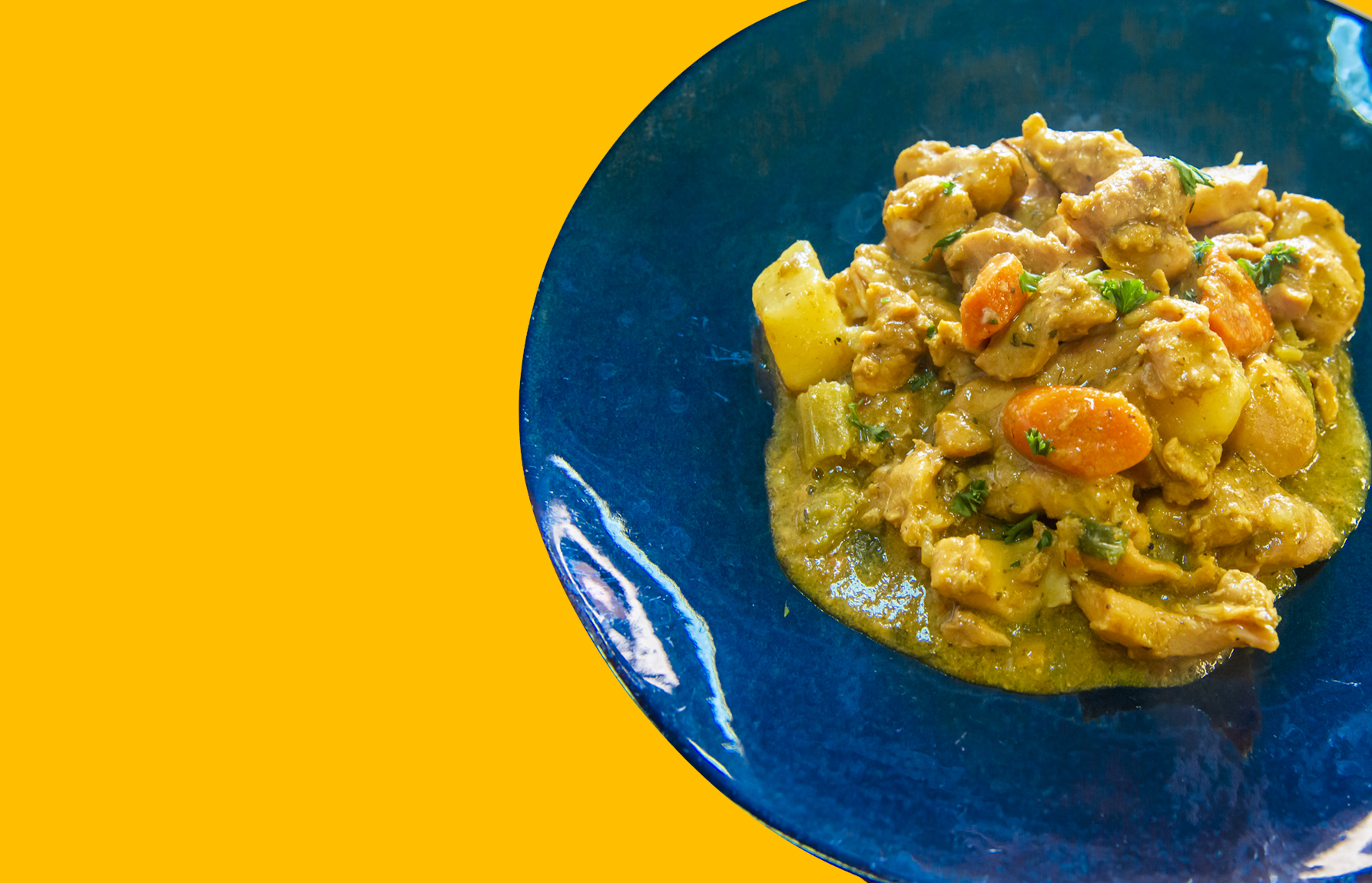
Jerk may get the spotlight, but brown stew chicken is closer to the heartbeat of many Jamaican households. It is practical, deeply flavorful, and forgiving enough to cook for a family without turning dinner into a production. The chicken is seasoned, often lightly floured or browned in oil, then simmered with onions, peppers, carrots, tomatoes, thyme, and enough liquid to become a rich gravy.
The signature flavor comes from browning. Some cooks use bottled browning sauce, others prefer to make it from caramelized sugar. Done correctly, it gives the stew a dark color and a slightly bittersweet edge that keeps the dish from tasting one-dimensional. The chicken should be tender but still intact, and the gravy should coat rice without feeling greasy.
Brown stew chicken also demonstrates one of the enduring strengths of Jamaican food: it knows how to make modest ingredients feel complete. This is not luxury cooking. It is disciplined home cooking with excellent instincts.
The starches that make the plate whole
A classic Jamaican meal is hard to understand if you ignore the starches. They are not passive fillers. They provide contrast, absorb gravies, and shape how a meal feels. Boiled green bananas bring firmness and a faint vegetal note. Yellow yam is earthy and substantial. Breadfruit, whether roasted or boiled, has a soft, starchy interior that pairs beautifully with saltfish or mackerel. Fried dumplings add crunch outside and tenderness inside. Bammy, made from cassava, offers a slightly chewy texture and a mild, nutty flavor, especially good with fish.
If you spend time eating Jamaican food regularly, you notice how carefully these pairings are chosen. Escovitch fish with bammy makes sense because the bammy softens the sharpness of the pickled vegetables. Ackee and saltfish with fried dumpling gives textural contrast. Jerk with festival introduces sweetness. Oxtail with rice and peas lets the sauce spread into every grain.
These combinations are not random. They are the product of long practice. In experienced hands, the side dish is doing half the work.
Fish, fire, and vinegar: the sharp beauty of escovitch
Escovitch fish is one of the most striking dishes in Jamaican cooking because it leans into brightness rather than richness. Usually made with fried whole fish, often snapper, it is topped with a hot vinegar dressing filled with carrots, onions, and Scotch bonnet peppers. The fish itself is seasoned simply and fried until the skin crisps. The escovitch mixture then cuts through the oil and wakes up the palate.
Done badly, escovitch becomes harsh, with raw vinegar overwhelming the fish. Done well, the acidity is assertive but measured. The vegetables keep some crunch, the pepper adds heat without dominating, and the fish remains the center of the dish. Bammy is a common partner here, soaking up both oil and pickling liquid.
Escovitch is a useful reminder that Jamaican food is not only about long-simmered gravies and smoke. It can be sharp, quick, and clean. That range is part of what makes the cuisine so compelling.
Oxtail, a lesson in how humble cuts become prized
Few dishes illustrate culinary economics better than oxtail. Once considered a thrifty cut that demanded slow cooking, it is now one of the most expensive things on many Caribbean menus. The appeal is obvious. When braised properly, oxtail becomes gelatin-rich, intensely beefy, and deeply comforting. The gravy turns silky from the collagen, and butter beans are often added near the end for softness and contrast.
There is some variation in technique. Some cooks lean sweeter, with more browning and ketchup. Others prefer a darker, more savory pot with stronger thyme and allspice. What matters most is time. Oxtail should not merely be edible. It should surrender. The meat should cling to the bone until nudged, then fall apart with little effort.
This is one dish where shortcuts are easy to detect. Thin gravy, underseasoned meat, or beans cooked to mush all signal impatience. Good oxtail rewards calm cooking and careful seasoning. It is rich enough that a plate usually needs plain structure around it, often rice and peas, maybe steamed cabbage, maybe a slice of ripe plantain for sweetness.
Patties, the portable icon
If jerk is Jamaica’s international calling card, the patty is its everyday ambassador. A Jamaican patty is a half-moon pastry with a distinctive yellow crust, usually colored by turmeric or curry. The filling can be beef, chicken, vegetable, saltfish, shrimp, or more specialized combinations depending on the bakery. What sets the best patties apart is the relationship between crust and filling. The pastry should be flaky and tender without collapsing, and the interior should be moist, well-seasoned, and compact enough to hold together.
Beef patties often carry a subtle kick from pepper and a savory richness from thyme, scallion, and breadcrumbs or crumbs used to bind the filling. In Jamaica, patties are commonly eaten as a quick lunch, a school snack, or tucked into coco bread for something more substantial. That combination, hot patty inside soft bread, sounds heavy on paper but works beautifully in practice.
A great patty is a lesson in precision. Too much filling bursts the crust. Too little makes the whole thing disappointing. Overbake it and the pastry dries out. Underseason it and you are left with a pretty shell around bland mince. The best bakeries understand that consistency matters as much as flavor. That is why locals will argue passionately about where to find the best one.
Ital food and the quieter side of the cuisine
Not all Jamaican food is built around meat, saltfish, or heavy gravies. Ital cooking, associated with Rastafarian traditions, emphasizes natural, often plant-based food and can be some of the most soulful cooking on the island. The exact approach varies. Some cooks avoid salt entirely, others use little processed seasoning, and many build flavor through herbs, coconut milk, pumpkin, callaloo, legumes, and ground provisions.
A good ital stew does not feel like a compromise. It can be lush with coconut, rich with lentils or beans, and fragrant with thyme, scallion, and Scotch bonnet. Callaloo, often compared loosely to spinach though it has its own flavor and structure, appears in many forms, steamed down with onions and tomato or folded into more elaborate preparations.
This matters because it broadens the picture of Jamaican food beyond the dishes that travel best abroad. The cuisine has a strong vegetable intelligence. It knows how to season greens, roots, and legumes with as much care as meat.
A few dishes worth knowing by name
For anyone trying to read a Jamaican menu with confidence, a small set of names comes up again and again:
- Mannish water, a peppery goat soup often associated with gatherings and celebrations
- Rundown, usually mackerel simmered in seasoned coconut milk until the sauce reduces
- Pepper pot soup, a hearty soup that may include callaloo, meat, and root vegetables
- Festival, a lightly sweet fried dough commonly served with fish or jerk
- Gizzada, a small tart filled with spiced grated coconut
These dishes matter because they show range. Some are festive, some practical, some rooted in preservation, and some simply designed to satisfy hunger with skill and economy.
Sweetness, drinks, and the finish to a meal
Jamaican food culture includes a strong sense of what should follow a savory meal or accompany a hot afternoon. Desserts and drinks often carry the same directness as the main dishes. Rum cake is dense, fragrant, and often associated with holidays. Sweet potato pudding can be heavy in the best way, deeply spiced and almost custard-like at the center. Toto, a coconut cake, speaks to the island’s affection for coconut in both savory and sweet cooking.
Drinks deserve equal notice. Sorrel, especially around Christmas, brings tartness and spice. Ginger beer can be fiercely hot and refreshing at once. Irish moss drinks, peanut punch, and carrot juice preparations occupy that in-between territory of beverage and snack, substantial enough to feel nourishing.
There is a practical logic here. In a hot climate, drinks need refreshment but often also function as sustenance. Sweetness is rarely bland. It is usually spiced, textured, or sharpened with ginger.
What makes Jamaican food memorable
The lasting appeal of Jamaican food is not just intensity. Many cuisines can be intense. What makes this one memorable is the way it marries force with judgment. Smoke is balanced by sweetness. Heat is softened by starch. Saltfish is mellowed by ackee. Vinegar lifts fried fish. Coconut milk rounds out rice. Even the heaviest dishes tend to have some counterweight.
There is also an honesty to the cuisine that people respond to immediately. It does not hide process. You can taste the marination, the browning, the simmering, the smoke. The food asks for appetite. It rewards attention. And because so many classic dishes emerged from practical cooking, from preserving fish to making inexpensive cuts delicious, they retain a sense of purpose even when served in polished restaurants.
For anyone new to Jamaican food, the best approach is not to chase only the hottest or most famous item. Eat across the range. Try ackee and saltfish for breakfast. Have escovitch fish with bammy for lunch. Order curry goat or brown stew chicken with rice and peas for dinner. Add a patty somewhere in the middle. Notice how often thyme appears, how pimento anchors the food, how Scotch bonnet changes from one dish to the next depending on whether it is cooked whole, chopped, or made into sauce.
Classic Jamaican food is not one thing. It is a conversation between land and sea, heat and comfort, memory and improvisation. That is why it lasts. One plate leads naturally to the next, and the tradition keeps revealing more the longer you stay at the table.
Reggae Pot Jamaican Grill
2243 S Monaco St Pkwy #104
Denver, CO 80222
+1 720-410-2956
FAQ About jamaican food
What is the best Jamaican food to try in Denver?
The best choice depends on your tastes. Popular options include jerk chicken, curry goat, slow-cooked oxtail, and savory patties. Reggae Pot lists these dishes on its menu, with sides such as rice and peas and plantains. Ask the Denver team about current availability and spice levels.
Is Jamaican food very spicy in Denver?
Heat varies by dish and preparation. Jerk seasoning often includes scotch bonnet peppers alongside herbs and allspice, while other dishes may have gentler seasoning. Ask about the heat of the specific dish and any sauce before ordering.
What are some popular Jamaican snacks?
Jamaican patties are a popular snack made with flaky pastry and savory meat or vegetable fillings. Other options include fried dumplings and festival, a sweet fried dough often served with savory dishes. Availability varies, so check the current menu when ordering.