Pie Cafe Colorado Springs: A Delicious Tradition in Every Bite
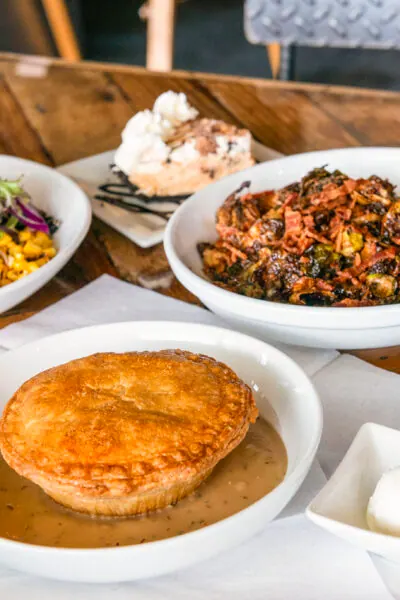
Colorado Springs has never been short on places to eat, but not every restaurant earns the kind of affection that turns first-time guests into regulars. A pie cafe does that in a particular way. It offers comfort without feeling ordinary, and it manages to be both practical and nostalgic at the same time. You can drop in for a quick lunch, linger over coffee and dessert, or pick up a whole pie for a family table that needs one reliable centerpiece. That range matters.
When people search for pie cafe Colorado Springs, they are often looking for more than a menu. They are looking for a place with warmth, consistency, and food that feels made rather than assembled. Pie has always carried that kind of meaning. It is celebratory, but it is also everyday food when handled well. A good pie cafe understands both sides of that equation. It knows that a chicken pot pie on a cold afternoon does not need to be fancy, it just needs to be deeply satisfying. It also knows that a slice of fruit pie after dinner can reset your whole mood if the crust is right and the filling tastes of real ingredients instead of sugar alone.
That is the tradition behind a strong pie-focused cafe, and it fits Colorado Springs better than some people realize. This is a city where people work hard, spend time outdoors, gather with family, and still make room for comfort food done with care. Pie belongs in that rhythm.
Why pie cafes stay relevant
Trends move fast in the restaurant business. One year, everyone wants overbuilt milkshakes. The next, it is all about minimalist menus or globally inspired small plates. Pie cafes occupy different territory. They do not need novelty to stay useful. They succeed because they tap into habits that do not disappear.
A pie cafe serves several dining needs at once. At lunch, savory pies make sense for busy professionals, retirees meeting friends, or parents trying to feed children something recognizable and hearty. In the afternoon, a pie case becomes its own invitation. People who had no intention of ordering dessert suddenly start making calculations. Should they split a slice now or take one home? Should they commit to a whole pie for the weekend? That kind of spontaneous decision is not accidental. It comes from visual appeal, aroma, and the memory of what a good crust tastes like.
The other reason pie cafes endure is that pie has structure. That sounds almost too obvious, but it matters in a kitchen and on a menu. Pie can be seasonal without becoming chaotic. Apple works year-round. Berry pies rise with summer. Pumpkin appears when the weather shifts. Cream pies satisfy a different craving than fruit pies. Savory options anchor the meal side of the menu. For the guest, that means familiarity with enough variation to keep coming back.
In Colorado Springs, where the weather can swing and where local routines often blend work, school, errands, and recreation, this kind of flexible comfort food makes practical sense. A pie cafe can feel like a planned outing or a welcome stop on the way home.
The real test is always the crust
Anyone who has spent time around pastry kitchens knows that pie quality starts before the filling gets attention. People talk about fruit combinations, spices, or whether a cream pie is topped with whipped cream or meringue, but crust tells the truth. It reveals whether the kitchen respects the craft.
A proper pie crust should not just sit beneath the filling like edible packaging. It should contribute flavor, texture, and contrast. For sweet pies, that often means tenderness with enough flake to break cleanly under a fork. It should taste buttery or at least rich, never stale or cardboard-like. For savory pies, the crust has a different job. It must support gravy, vegetables, meat, and steam without turning soggy. A good savory crust holds shape, keeps a little bite, and gives the filling a framework.
The challenge is that crust punishes shortcuts. Overwork the dough and it toughens. Underbake it and the bottom goes pale and heavy. Fill it too aggressively and the structure fails. Hold it too long and the magic slips. Experienced bakers know there is a narrow window between rustic charm and disappointment.
That is why people become loyal to pie places that get the basics right. They remember the texture. They remember the clean edge of a slice, the steam escaping from a fresh savory pie, the way a fork glides through cream filling and still catches a crisp base. Those details sound small until you taste the difference side by side.
What makes a pie cafe feel special rather than gimmicky
There is a version of the pie cafe concept that leans too hard on sentiment. Checkered tablecloths, cute signage, oversized slices, and sugary excess can attract attention, but they do not create staying power. A serious pie cafe, especially one trying to earn a place in a city like Colorado Springs, needs a more balanced identity.
Part of that comes down to menu discipline. Too many flavors and the kitchen stretches itself thin. Too few, and the cafe feels repetitive. The best pie-centered operations usually know their core strengths. They offer reliable staples, rotate a handful of seasonal options, and avoid treating pie as a novelty prop. That kind of restraint signals confidence.
Atmosphere matters too. Guests want comfort, not clutter. A pie cafe should feel welcoming enough for regular visits, not so precious that ordering a slice becomes an event. You want a room where a couple can share dessert after dinner, where grandparents can take the kids, where someone can sit with coffee and not feel rushed. Hospitality at a place like this is rarely flashy. It shows up in fresh coffee, patient service, clean tables, and staff who know the menu well enough to answer honest questions. Is the cherry pie tart or sweet? Is the pot pie rich and creamy or more broth-driven? Does the peanut butter pie eat heavy? Those are the questions real guests ask.
The strongest cafes answer with clarity because they know their food.
Sweet pies, savory pies, and the balance between them
A lot of people hear the word pie and think dessert first. That is understandable, but it leaves out half the appeal. One reason a pie cafe stands out is that it can bridge meal and dessert without feeling disjointed. Savory pies ground the menu. Sweet pies bring people back for a treat or help them justify taking something home.
Savory pies deserve more respect than they often get. At their best, they offer the kind of deep comfort that soups and casseroles promise but do not always deliver in portable form. A well-made chicken pot pie, for example, should have discernible pieces of chicken, vegetables that still hold shape, and a sauce with body but not gluey thickness. Beef pies need rich flavor without excessive salt. Vegetable pies have to avoid the common trap of becoming watery or bland. The challenge is not just filling a crust. It is balancing moisture, seasoning, and texture so that every bite feels complete.
Sweet pies work by different rules. Fruit pies depend on restraint. Too much sugar buries the fruit. Too much thickener makes the filling gummy. Too little structure leaves a puddle on the plate. Cream pies ask for a gentler hand. Their richness can charm for three bites and become exhausting by the sixth if they are not cut with enough lightness or contrast. Nut pies walk a line between luxurious and overwhelming, especially when paired with coffee.
The smartest pie cafes understand that guests want options with distinct personalities. They do not make everything uniformly sweet, uniformly heavy, or uniformly nostalgic. They let each pie type do what it does best.
How season and altitude shape the experience
Colorado cooks know that environment is not background noise. It affects food. Even if diners do not think much about altitude in everyday conversation, bakers certainly do. Moisture levels, oven behavior, resting times, and consistency all matter. Pie seems simple until you have to repeat quality day after day in a place where conditions can change faster than expected.
That is one reason a dependable pie cafe earns trust. Repetition at quality is difficult. Fruit releases different amounts of juice depending on the season. Cold weather affects dough handling. Holiday volume stresses production. A cafe that still produces pies with consistent crust and filling through those variables is showing real skill.
Seasonality also keeps the menu emotionally alive. In summer, brighter fruit pies carry energy and freshness. In fall, spiced pies and richer bakes start to match the weather and the pace of the city. Winter leans naturally into deeper comfort, and spring often reopens the appetite for lighter, fruit-driven desserts. Guests may not articulate all of this when they order, but they feel it. Seasonal fit matters, especially in a place like Colorado Springs where people still notice the change in light, temperature, and routine.
The role of pie in family life and local tradition
Pie is not just food. It is often memory with a crust on top. That may sound sentimental, but anyone who has worked in hospitality long enough has watched the pattern repeat. A family comes in because a grandmother loved coconut cream pie. A couple orders a whole apple pie because they are hosting relatives and want dessert handled. Someone stops by after a school event, a funeral, a Sunday drive, or a hard workweek and chooses the slice they always choose.
Restaurants that serve pie well become part of those rituals. They help carry occasions that are too ordinary for reservations and too important for carelessness. That is a valuable place in a community. Fine dining gets attention. Trend-driven openings get headlines. Local comfort institutions get something better, regular trust.
In Colorado Springs, that trust matters because the city contains many different tempos at once. There are military families, long-time residents, new arrivals, students, retirees, tourists, and workers commuting through busy corridors. Not all of them want the same kind of restaurant experience. A pie cafe can meet them in the middle. It is accessible without being generic. It feels personal without demanding ceremony.
That flexibility is part of why the phrase pie cafe Colorado Springs resonates. It suggests a kind of place people can use, not just admire.
What regulars usually notice first
People who come back often tend to care about a few practical things more than decorative details. They notice whether the coffee is strong enough to support dessert. They notice whether slices are cut cleanly or collapse from poor structure. They notice whether the savory options taste freshly made or reheated beyond their prime. Most of all, they notice consistency.
A cafe can survive one underbaked crust or one off day with service. It cannot build a following on uneven execution. The guests who support neighborhood restaurants are not looking for perfection in the abstract. They are looking for reliability with heart. They want to know that the pie they loved last month will still feel worth ordering this month.
Here is what that usually comes down to in practice:
- The crust tastes intentional, not incidental.
- The fillings have clear flavor and proper texture.
- The menu offers enough variety without becoming scattered.
- Service feels warm, informed, and efficient.
- The cafe gives people a reason to return beyond simple convenience.
Those standards are not glamorous, but they are decisive. They are also harder to maintain than outsiders assume.
Choosing the right pie for the moment
One of the pleasures of visiting a pie cafe is that not every craving points to the same slice. Good guests learn this over time. The best order on a summer afternoon is often not the best order after a snowy day or at the end of a heavy meal.
If you want something bright and shareable, fruit pies usually carry the table well. They cut through a richer lunch and pair cleanly with coffee. If you are after comfort, savory pies often outperform sandwiches because they feel more complete and more settled. Cream pies suit a slower pace, especially when dessert is the main event rather than an afterthought. And when you need a whole pie for a gathering, the practical choice is often the one broadest in appeal rather than the most interesting on paper. Apple beats a niche flavor for mixed groups more often than enthusiasts like to admit.
There is also a smart case for asking staff what is moving well that day. In pie service, freshness and timing matter. A certain pie may simply be at its best right now. A good counter person will usually steer you honestly if the culture of the cafe is healthy.
Why comfort food still demands skill
People sometimes talk about comfort food as if it were easy food. In professional kitchens, that assumption never lasts long. Comfort dishes are exposed. There is nowhere to hide bland gravy, weak crust, gluey filling, or stale pastry. Diners know what these foods should feel like, even if they cannot describe the technical failure.
Pie is especially unforgiving because everyone brings a memory to it. Many guests compare what they are eating to a family recipe, a holiday dessert, or a beloved small-town bakery from years ago. That emotional benchmark is high. Meeting it takes more than sweetness and nostalgia. It takes judgment.
A baker has to know when to hold back on cinnamon so it supports rather than dominates. A cook has to know how long to reduce savory filling so the pie cuts properly. A front-of-house team has to know that pie should often be served with timing in mind, not left to languish. Warm slices can be inviting, but not every pie improves with heat. Cream pies certainly do not. These are the decisions that separate genuine craft from a concept built on branding.
That is also why pie cafes can become beloved with surprising speed when they are done well. People recognize competence in comfort food very quickly.
The enduring appeal of a place built around one honest idea
Some restaurant concepts try to become everything for everyone. A pie cafe works best when it stays rooted in one honest promise: feed people well, offer comfort with care, and make the kind of food they will think about later. That promise may sound modest, but it is difficult to keep and deeply rewarding when fulfilled.
For Colorado Springs diners, a strong pie cafe offers more than dessert. It offers a dependable pause in the day. It gives families an easy answer when they need dinner or something sweet for the table. It gives regulars a familiar room and a slice they trust. It gives visitors a taste of local hospitality that feels grounded rather than staged.
That is the real appeal behind pie cafe Colorado Springs. It is not just the idea of pie itself, though that certainly helps. It is the combination of craft, comfort, and routine. One flaky crust, one well-seasoned savory filling, one slice of fruit pie that tastes like actual fruit, and people understand why https://brookstnnh456.focalledger.com/posts/how-pie-cafe-colorado-springs-creates-a-true-hometown-dessert-experience these places matter.
A city can have excellent steakhouses, sharp coffee shops, polished brunch spots, and inventive breweries. It still benefits from a pie cafe. In many ways, that is the place that tells you whether a food scene has depth. Anyone can sell novelty. Not everyone can sell tradition in a way that still feels fresh.
When a pie cafe gets it right, every bite carries more than flavor. It carries memory, care, and the quiet confidence of a place that knows exactly what it is.
3.14 Pi Bar
5152 Centennial Blvd
Colorado Springs, CO 80919
(719) 314-6172
FAQ About pie cafe colorado springs
Does 3.14 Pi Bar serve sweet and savory pies?
Yes. The café serves savory pot pies and seasonal sweet pies made from scratch. Flavors can vary.
Can I order a whole pie to take home?
Yes. The café sells whole sweet pies to take home. Check the current menu for flavors and ordering options.
Does 3.14 Pi Bar offer take-and-bake pies?
Yes. The café offers prepared pies that you can bake at home. Check the current menu for available varieties.