How an Irish Pub NYC Venue Offers the Best of Old and New
There is a reason certain rooms feel right the moment you walk in. You notice it before the first pint lands on the bar and before the music starts to pull conversation into a shared rhythm. A strong pub does more than serve food and drink. It creates a social atmosphere that is hard to fake and even harder to sustain over time. In New York, where trends move fast and restaurant concepts can feel disposable, the Irish pub has stayed relevant because it understands something fundamental about hospitality. People want character, but they also want comfort. They want history, but they do not want to give up quality, convenience, or style.
That balance is what makes a great Irish Pub NYC venue stand out. The best ones do not preserve the past like a museum piece. They translate it. They carry forward the warmth, wit, and familiarity associated with a traditional pub, then pair those traits with sharper operations, better kitchens, thoughtful beverage programs, and event capabilities that fit modern city life. If you have spent time in both old neighborhood pubs and contemporary hospitality spaces, the difference becomes obvious. The strongest venues are not trapped in nostalgia, and they are not chasing novelty for its own sake. They know exactly what to keep and exactly what to update.
Why the Irish pub still matters in New York
New York has always rewarded places with a clear identity. That matters in a city where people have thousands of dining and nightlife options within a short train ride. A generic bar can survive in a high traffic corridor for a while, but it rarely becomes part of someone’s routine or memory. A pub with a real point of view can do both.
The Irish pub endures because it is one of the few hospitality formats that naturally accommodates different moods throughout the day. In the afternoon, it can work as a lunch spot for nearby offices, a quiet table for a late meeting, or a place to catch a match without feeling rushed. By early evening, it becomes a social anchor. Later at night, it can still hold energy without tipping into chaos. That flexibility is not accidental. It comes from a design tradition built around conversation, repeat guests, and a sense of welcome that extends beyond a single transaction.
In New York, that adaptability matters even more. City diners are not looking only for spectacle. They are looking for places that can fit into real life. A good pub can host after-work drinks on Thursday, a birthday dinner on Saturday, a family brunch on Sunday, and a company holiday event in December. Few venue types manage all of that without feeling strained.
Old-world character is more than decor
It is easy to misunderstand what makes an Irish pub feel authentic. Many operators assume it is about dark wood, vintage signage, framed photos, and Guinness memorabilia. Those details can help, but they are not the heart of it. If the room looks the part but the service is indifferent, the menu is careless, or the layout discourages people from settling in, the effect falls apart quickly.
Real old-world character is architectural and behavioral. It shows up in the way a room is divided into cozy sightlines rather than one loud open box. It appears in seating that encourages both privacy and shared energy. It depends on a bar that feels central, not just as a place to order drinks but as a focal point where solo guests, regulars, and first-timers all feel comfortable.
Just as important, it comes through in the human side of service. The bartender remembers what someone drinks. The host greets returning guests with familiarity that feels earned, not scripted. Staff know when to chat and when to step back. There is confidence in that style of hospitality. It says the venue is not trying too hard because it does not need to.
In the strongest Irish Pub NYC settings, these old-world instincts are preserved while the execution has improved. Lighting is flattering rather than dim for its own sake. Sound levels are managed with more care. Seating is more comfortable than what many traditional pubs offered decades ago. Restrooms are cleaner. Reservation systems are smoother. Private event coordination is more professional. The soul remains, but the friction points are reduced.
The menu has evolved, and that is a good thing
Food is often where old and new meet most clearly. Traditional pub fare still matters. People want shepherd’s pie done properly, fish and chips with crisp batter, rich stew on a cold evening, and a burger that actually satisfies after two rounds with friends. These dishes are part of the pub’s identity because they are filling, familiar, and social. They invite sharing, lingering, and repeat visits.
But a modern venue cannot rely on heavy classics alone, especially in New York. Today’s guests expect range. They may want a full meal before a theater performance, a lighter lunch between meetings, or a late-night bite that goes beyond frozen appetizers. They may also be navigating dietary restrictions that were not considered in older pub models. A venue that ignores those realities limits itself.
The best operators update the menu without losing the grounding influence of pub cooking. That usually means better sourcing, cleaner execution, and more variety rather than a total reinvention. A modern Irish pub can serve a strong corned beef sandwich, a respectable market salad, well-made seafood, and vegetarian options that feel intentional. The common thread is generosity and flavor, not rigid adherence to a narrow canon.
I have seen this play out repeatedly in hospitality. A guest may come in expecting to order a pint and a plate of wings, then return a week later for dinner because the kitchen overdelivered. That second visit matters. It changes the venue from a casual stop into a reliable choice. In a city where loyalty is difficult to earn, food quality is often what tips the balance.
The bar program now does more than pour pints
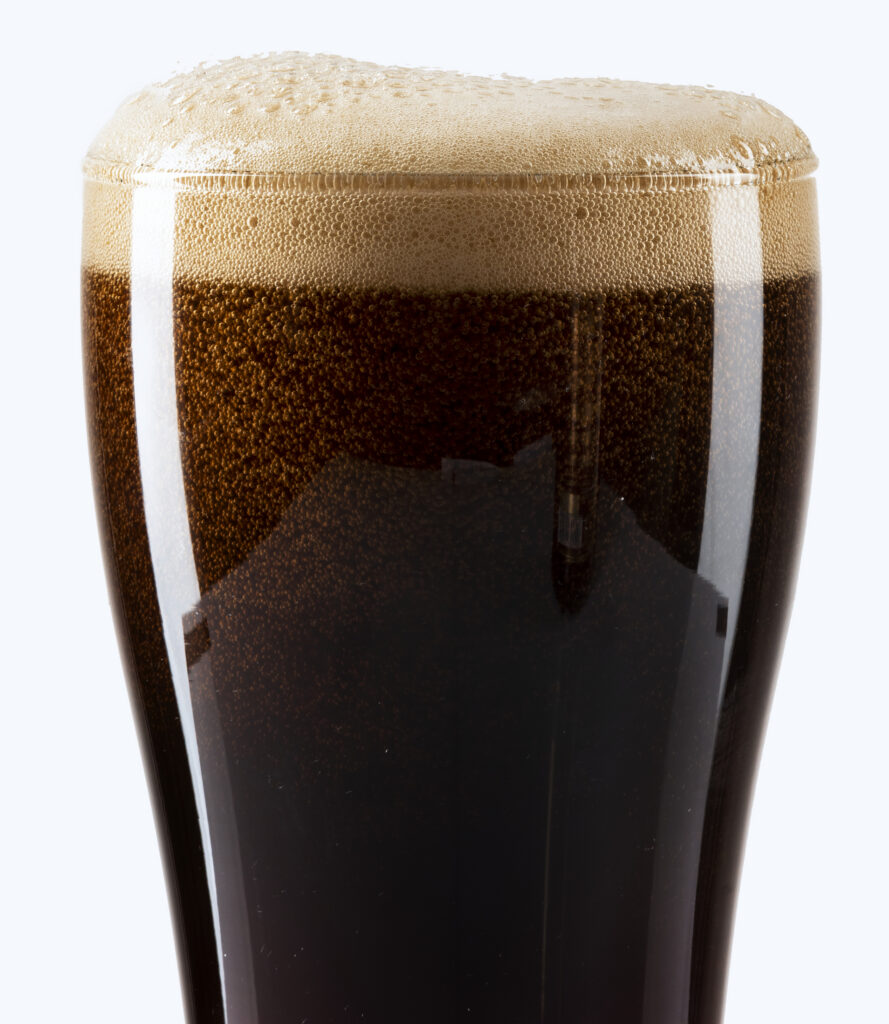
Pints still matter. They should. Draft beer quality remains one of the easiest ways to judge whether a pub takes itself seriously. A properly maintained system, correct glassware, and staff who know how to pour are not small details. They are signals. If a venue handles the staples well, guests trust it more across the board.
At the same time, a modern bar program has to reflect how people drink now. Not everyone wants beer. Some guests want whiskey flights, thoughtful cocktails, good wine by the glass, or no-alcohol options that do not feel like an afterthought. The strongest Irish Pub NYC venues understand this shift and respond without abandoning their roots.
Irish whiskey, of course, provides a natural bridge https://andyiwia566.nexorafield.com/posts/irish-pub-nyc-spots-for-friendly-service-and-classic-ambiance between tradition and innovation. A smart venue can present familiar brands for casual drinkers while also introducing lesser-known bottles to guests who are curious. That creates an education piece without becoming precious. It is one thing to stock whiskey. It is another to present it in a way that sparks conversation and gives people a reason to explore.
Cocktails can work in that same spirit. A pub does not need a twelve-minute smoke-filled production to feel current. In fact, that would usually be the wrong fit. But well-balanced classics, seasonal specials, and drinks built around Irish spirits can deepen the offering in a way that feels coherent. The goal is not to turn the pub into a cocktail bar. The goal is to make sure every guest can find something they genuinely want to drink.
Design that respects tradition without feeling dated
A common mistake in hospitality design is confusing age with atmosphere. Worn finishes, cramped furniture, and poor circulation are not charming simply because they look old. Guests notice when a room feels neglected. They also notice when a venue overcorrects and strips away every trace of intimacy in pursuit of a polished, contemporary look.
The best pub venues in New York strike a middle path. They use materials and layouts that recall traditional public houses, but they plan for modern expectations. Booths and banquettes matter because people value comfort and privacy. Sightlines matter because sports viewing, live music, and group celebrations all require clear visual access. Acoustics matter because no one wants to shout through dinner. Lighting matters because guests now take photos, host business conversations, and stay longer when the room feels warm instead of murky.
There is also a practical side to venue design that guests may not name directly but definitely feel. Coat storage, spacing between tables, smart bar access, and restrooms that can handle a full crowd all shape the experience. In older pubs, some of those details were simply tolerated because standards were different. In New York today, toleration is not enough. People have too many alternatives.
Live music, sports, and private events under one roof
One of the real advantages of an Irish pub venue is operational versatility. Many spaces can be excellent at one thing. Far fewer can host multiple types of gatherings without losing their identity. A well-run pub often can.
Live music is a good example. In the wrong space, it overwhelms the room. In the right one, it elevates it. Irish music sessions, acoustic sets, and occasional band nights can create a strong sense of place, especially when the performance enhances conversation rather than burying it. Guests do not always come specifically for the music, but they remember how it made the room feel.
Sports are another important layer, especially in New York where viewing culture is tied to neighborhood ritual. A pub with strategically placed screens can attract regular crowds for major matches, playoffs, and tournament days without turning every evening into a sports bar free-for-all. This is harder to manage than it looks. Too many televisions and the room becomes visually noisy. Too few and the venue misses obvious revenue opportunities. The best operators understand scheduling, audience flow, and where to concentrate energy.
Private events may be the clearest modern upgrade. Traditionally, pubs were social gathering places by default. Today, they are also formal event venues. Corporate happy hours, engagement parties, rehearsal dinners, alumni gatherings, networking receptions, and milestone birthdays all fit naturally in a pub setting when the logistics are handled well. Guests want an environment that feels celebratory but not stiff. They also want planning support, reliable packages, and food and drink service that can scale.
This is where old and new intersect in a particularly useful way. The pub contributes atmosphere that cannot be manufactured in a blank event loft. Modern operations contribute structure, timing, staffing, and communication. Together, they create a venue that feels easy for the guest, even though a lot is happening behind the scenes.
Hospitality has become more precise
Much of what separates a mediocre pub from a great one has nothing to do with theme and everything to do with management discipline. The romantic idea of the pub can obscure that fact. Warmth does not happen by accident. Consistency requires systems.
Reservations are one area where modern expectations have changed the business. Years ago, many pubs relied more heavily on walk-in trade. That still matters, especially in busy neighborhoods, but it is no longer enough for a venue that wants to capture group dining and event revenue. Guests expect online booking, timely confirmations, flexible accommodation for changing party sizes, and clear communication about seating times, menus, and private spaces.
Staff training has also become more sophisticated. The classic pub gift of easy conversation still matters, but it now needs to sit alongside stronger product knowledge, allergy awareness, pace control, and event execution. A server may need to guide a table through whiskey choices one moment and then coordinate a fifty-person semi-private celebration the next. Those are different skills, and strong venues invest in both.
Even technology, when used carefully, supports rather than diminishes the experience. Point-of-sale systems, kitchen communication tools, reservation platforms, and event planning workflows can all make service smoother. Guests rarely praise those systems directly, but they notice the result. Drinks arrive on time. Modifications are handled cleanly. Group tabs are less chaotic. Follow-up after an event is prompt. None of this makes the room feel less traditional. It simply makes it run better.
What guests are really looking for
People often say they want authenticity, but what they usually mean is coherence. They want a place where the setting, service, food, and mood all make sense together. The best Irish Pub NYC venues deliver that. Nothing feels pasted on. The heritage is present, but it is not performative. The updates are visible, but they do not erase the identity of the place.
That coherence appeals to a wide range of guests. For office workers, the pub offers relief from corporate sameness. For tourists, it offers a New York experience that feels rooted rather than generic. For locals, it can become part of the weekly routine. For event planners, it offers built-in personality without the risk that comes with a trend-driven venue that may age badly in a year.
There is also something to be said for emotional accessibility. Not every hospitality setting invites people in equally. Some spaces feel too formal, too noisy, too young, too expensive, or too self-conscious. A strong pub has a broader social range. It can host a first date, a retirement toast, a casual client meeting, and a family gathering without making any of them feel out of place. That range is rare.
The trade-offs are real, and the best venues manage them well
Blending old and new is not always seamless. There are trade-offs, and smart operators understand them. A venue that leans too hard into tradition can become static. It may appeal to a shrinking base of guests while losing relevance with younger diners or corporate clients. On the other hand, a venue that modernizes too aggressively can end up flattening the very character that made it attractive in the first place.
Menu design presents one such tension. Keeping beloved classics is important, but dedicating too much kitchen bandwidth to heavy legacy dishes can limit speed and flexibility. Beverage programs face a similar challenge. Beer loyalists may not care about cocktails, but ignoring the cocktail category entirely leaves revenue on the table. Design can be tricky too. If a renovation removes every irregular, cozy, lived-in detail, the room may become more efficient but less memorable.
These are judgment calls, not formulas. In practice, the strongest results usually come from selective modernization. Upgrade what improves guest comfort and operational reliability. Preserve what supports atmosphere and identity. Change what no longer serves the room. Leave alone what people would miss if it disappeared.
That sounds simple, but it requires experience. You have to know which complaints are momentary and which patterns signal a deeper problem. You have to understand your audience by daypart, by season, and by occasion. You have to know whether guests are staying away because the concept feels stale or because the service model is not keeping up. The best venues make these distinctions well.
Why this model works so well for events and group dining
When people search for a venue, they are usually balancing practical needs with atmosphere. They need enough space, dependable service, food everyone can agree on, and a location people can actually reach. But they also want the event to feel like it happened somewhere with personality. This is where the pub format shines.
A polished Irish pub can make a twenty-person birthday feel special without requiring the budget or formality of a banquet room. It can support a corporate mixer without the sterile quality that often comes with hotel bars or generic event spaces. It can welcome out-of-town guests in a setting that feels distinctly New York while still being comfortable and familiar.
The flexibility of service style helps. Passed bites, prix fixe dinners, open bar packages, partial buyouts, and fully private functions can all fit within the model if the venue is designed for it. Guests get enough structure to feel taken care of, but the environment stays relaxed. That balance is one reason so many event planners return to trusted pubs after trying more trend-driven spaces that look impressive online but prove difficult in practice.
The best venues make tradition feel alive
A great pub does not ask guests to admire the past from a distance. It lets them participate in it. That may happen through music, through a bartender’s recommendation, through a meal that feels both familiar and polished, or simply through the mood of the room when conversation starts to overlap and people decide to stay for one more round.
That is why the model continues to work in New York. The city changes constantly, yet people still respond to spaces that feel grounded. They want venues with stories, but they also want standards. They want warmth without sloppiness, energy without disorder, and heritage without stiffness. A well-executed Irish Pub NYC venue can deliver all of that.
Old and new are often framed as opposites in hospitality, as if a place must choose between authenticity and evolution. The strongest pubs prove otherwise. They show that tradition becomes more durable, not less, when it is interpreted with care. They remind us that good hospitality is rarely about novelty alone. More often, it is about knowing what matters, preserving it, and presenting it in a way that still feels generous, relevant, and alive.
Hibernia Bar
401 W 50th St
New York, NY 10019, United States
Phone: +1 212-969-9703
FAQ About Irish Pub NYC
What is the best Irish pub in NYC?
The best choice depends on your location and preferred atmosphere. Hibernia Bar is a neighborhood Irish pub in Hell's Kitchen offering Guinness, Irish whiskey, pub food, and sports viewing.
Where do Irish people go in NYC?
New York's Irish community gathers in many neighborhoods and venues. Hibernia Bar welcomes Irish expats, local residents, and visitors at 401 W 50th St, just off Ninth Avenue.
Where can I watch GAA games in New York?
Hibernia Bar lists GAA among the sports it shows. Call +1 212-969-9703 to confirm coverage and opening times for a particular match before visiting.
What is the difference between a bar and a sports bar?
A sports bar emphasizes televised games and a shared viewing atmosphere. Hibernia combines sports viewing with the food, drinks, and hospitality of a neighborhood Irish pub.